Finding Lasting Sobriety Through Faith: The Role of Christ’s Love in Addiction Healing

Addiction recovery is rarely a straight path. For many, it is filled with setbacks, emotional struggles, and moments of deep uncertainty. Yet lasting sobriety is possible when healing goes beyond physical treatment and addresses the mind, body, and spirit together. At Christian City News Blogs, we believe that Christ’s love plays a central role in this transformation. When faith is combined with professional addiction treatment and mental health care, individuals gain a foundation strong enough to support lifelong recovery.

Understanding Sobriety as a Whole-Person Healing Process

Sobriety is not just about stopping substance use. It is about rebuilding a life that feels meaningful, stable, and hopeful. Addiction often develops alongside emotional pain, trauma, or mental health conditions, which means recovery must address more than behavior alone.

Faith-based recovery approaches recognize that healing involves the entire person. By integrating clinical care with spiritual support, individuals are given tools to heal physically while also restoring emotional and spiritual balance. This comprehensive approach helps create lasting change rather than temporary improvement.

The Importance of Mental Health Treatment in Recovery

Mental health is a key factor in achieving long-term sobriety. Many individuals struggling with addiction also experience anxiety, depression, PTSD, or unresolved trauma. Without addressing these conditions, recovery becomes more difficult and relapse risk increases.

Professional mental health treatment provides counseling, therapy, and structured support to help individuals understand their emotional triggers and develop healthier coping strategies. When combined with faith-based encouragement, individuals gain both practical skills and spiritual strength. Christ’s love offers reassurance, helping individuals believe that healing is not only possible but also sustainable.

Inpatient and Outpatient Care for Long-Term Success

Recovery looks different for everyone, which is why flexible treatment options are essential.

Inpatient programs provide a structured environment where individuals can focus fully on healing. With medical supervision, therapy, and spiritual care available around the clock, patients receive intensive support during the most critical phase of recovery. This setting helps remove distractions and creates stability for deep healing.

Outpatient programs allow individuals to continue treatment while returning to their daily responsibilities. This model supports long-term sobriety by helping individuals apply recovery skills in real-life situations while maintaining consistent guidance and accountability.

Personalized and Faith-Based Recovery Plans

No two recovery journeys are the same. Personalized care ensures that treatment reflects each individual’s needs, history, and goals. Faith-based programs design recovery plans that combine clinical therapies with spiritual practices.

These plans may include one-on-one counseling, group therapy, spiritual mentorship, prayer, scripture study, and holistic wellness practices such as exercise, nutrition, and stress management. This well-rounded approach supports healing in every area of life, not just addiction symptoms.

Christ’s Love as the Foundation for Lasting Sobriety

Christ’s love provides something that addiction often takes away, which is hope. It offers forgiveness, restoration, and a renewed sense of identity. For many individuals in recovery, faith becomes the anchor that holds them steady during difficult moments.

Through prayer, reflection, and spiritual growth, individuals begin to replace shame with grace and fear with courage. This shift in mindset is essential for maintaining long-term sobriety. Christ’s love reminds individuals that they are not defined by their past but by their capacity for renewal and growth.

The Role of Community in Recovery

Recovery is strengthened through connection. Isolation often fuels addiction, while supportive relationships encourage healing and accountability. Faith-based recovery programs place strong emphasis on community as a vital part of the healing process.

Through peer support, mentorship, and group involvement, individuals find encouragement and understanding. These relationships help reinforce sobriety goals and provide emotional strength during challenging times. Community becomes a source of stability, hope, and shared growth.

Moving Toward Lasting Sobriety Through Faith

Lasting sobriety is built through consistent care, emotional healing, and spiritual grounding. When professional addiction treatment, mental health support, and Christ-centered faith work together, individuals are given a strong foundation for lifelong recovery.

At Christian City News Blogs, we are committed to helping individuals find hope and healing. If you or someone you love is struggling with addiction, you do not have to walk this journey alone. Reach out today and take the first step toward lasting sobriety, restoration, and a life anchored in Christ’s love.

From Brokenness to Freedom: How Christ’s Perfect Love Restores Lives in Recovery

Addiction often begins in places of pain, loss, or emotional struggle, and it can quickly lead individuals into cycles of brokenness that feel impossible to escape. Yet recovery is not only possible, it is deeply transformative when the right support is in place. At Christian City News Blogs, we understand that lasting healing happens when professional addiction treatment, mental health care, and Christ’s perfect love come together. This combination helps individuals move from brokenness to freedom and rebuild their lives with purpose and hope.

Understanding Addiction as a Journey Through Brokenness

Addiction impacts far more than physical health. It affects emotional stability, relationships, mental well-being, and spiritual identity. Many individuals feel trapped in cycles of shame, guilt, and isolation, which can make recovery feel out of reach.

However, brokenness is not the end of the story. In fact, it is often the starting point of healing. Faith-based recovery recognizes that true restoration must address every layer of a person’s life. This includes emotional wounds, mental health challenges, and spiritual disconnection. When these areas are treated together, individuals can begin to rebuild from the inside out.

The Role of Mental Health in Addiction Recovery

Mental health plays a critical role in both the development and recovery of addiction. Conditions such as depression, anxiety, and trauma often contribute to substance use as individuals attempt to cope with emotional pain.

Effective recovery must include mental health treatment that helps individuals understand their triggers and develop healthier coping strategies. Therapy, counseling, and behavioral support provide essential tools for emotional regulation and long-term stability. When combined with faith-based care, individuals also receive spiritual encouragement that reinforces hope and resilience. Christ’s love reminds them that healing is possible and that their past does not define their future.

Inpatient and Outpatient Care for Sustainable Recovery

Recovery is not a single step but a process that unfolds over time. Different stages of healing require different levels of support, and both inpatient and outpatient care play important roles in this journey.

Inpatient programs provide a structured environment where individuals can focus fully on healing. With access to medical care, therapy, and spiritual guidance, patients receive intensive support during the most vulnerable stages of recovery. This setting removes distractions and allows for deep emotional and physical healing.

Outpatient programs offer continued care while allowing individuals to return to their daily responsibilities. This flexibility helps individuals apply what they learn in treatment to real-life situations while maintaining ongoing support and accountability.

Personalized and Faith-Based Treatment Plans

No two recovery journeys are the same. That is why individualized care is essential. Faith-based programs create personalized treatment plans that address the unique needs of each person.

These plans may include individual counseling, group therapy, spiritual mentorship, prayer, scripture reflection, and holistic wellness practices such as exercise, nutrition, and stress management. This integrated approach ensures that healing is comprehensive and sustainable, addressing the mind, body, and spirit together.

Christ’s Perfect Love as the Foundation for Restoration

Christ’s perfect love offers something that addiction cannot destroy. It provides forgiveness, acceptance, and a renewed sense of identity. For many individuals in recovery, this love becomes the foundation that supports every step forward.

Through prayer, reflection, and spiritual growth, individuals begin to see themselves through a lens of grace rather than shame. This shift in perspective is powerful. It helps individuals release the weight of their past and embrace the possibility of a new future. Christ’s love becomes a constant source of strength during difficult moments and a guiding light in the recovery process.

The Importance of Community in Healing

Recovery is strengthened through connection. Isolation often deepens addiction, while supportive relationships encourage healing and accountability. Faith-based recovery programs emphasize community as a vital part of the healing process.

Through peer support, mentorship, and group engagement, individuals are surrounded by encouragement and understanding. These relationships help reduce feelings of isolation and reinforce the belief that recovery is possible and sustainable.

Moving From Brokenness to Freedom

The journey from brokenness to freedom is not easy, but it is achievable with the right combination of care, support, and faith. When professional addiction treatment, mental health services, and Christ’s perfect love come together, individuals are given the tools to rebuild their lives and step into lasting recovery.

At Christian City News Blogs, we are committed to offering hope and guidance for those seeking healing. If you or someone you love is struggling with addiction, you do not have to face it alone. Reach out today and take the first step toward restoration, freedom, and a life renewed through Christ’s perfect love.

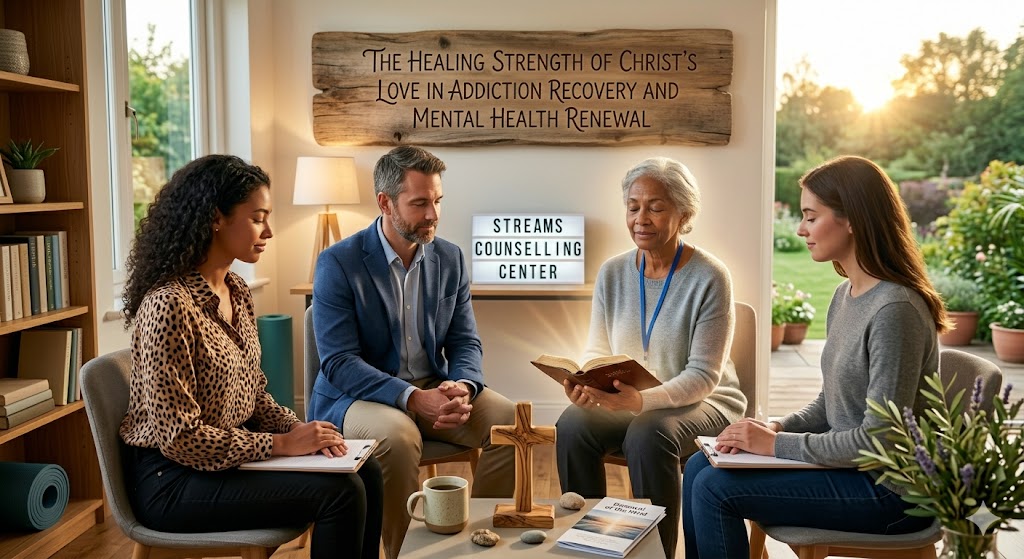
The Healing Strength of Christ’s Love in Addiction Recovery and Mental Health Renewal

Addiction and mental health challenges often arrive together, creating a cycle that feels difficult to escape. For many individuals, the struggle is not only about substance use or emotional distress, but also about losing hope and direction. At Christian City News Blogs, we believe that healing becomes possible when professional addiction treatment and mental health care are supported by the steady strength of Christ’s love. This combination offers more than recovery. It offers renewal, restoration, and lasting transformation.

Understanding the Connection Between Addiction and Mental Health

Addiction rarely exists in isolation. It is often connected to underlying mental health conditions such as anxiety, depression, trauma, or chronic stress. These challenges can influence behavior, emotional regulation, and decision making, making recovery more complex without proper support.

A holistic approach to treatment recognizes that healing must address both addiction and mental health together. When individuals receive integrated care, they are better able to understand their struggles, manage emotional triggers, and build healthier patterns for daily life. Faith-based support adds an additional layer of strength by offering hope and spiritual grounding throughout the process.

Why Mental Health Care Is Essential in Recovery

Mental health treatment plays a central role in sustainable recovery. Therapy, counseling, and behavioral support help individuals identify the root causes of their struggles and develop practical coping strategies.

Without addressing mental health, relapse risks increase, and emotional distress can continue to fuel addiction. However, when therapy is combined with faith-based encouragement, individuals often experience greater emotional resilience. Christ’s love reinforces the message that healing is possible and that every person has value beyond their past experiences.

Inpatient and Outpatient Care for Lasting Recovery

Recovery is not a single moment. It is a process that unfolds over time and requires different levels of support depending on individual needs.

Inpatient care provides a structured environment where individuals can focus fully on healing. With access to medical supervision, therapy, and spiritual guidance, this level of care supports individuals during the most vulnerable stages of recovery. It creates stability and removes outside distractions so healing can begin more deeply.

Outpatient care allows individuals to continue treatment while returning to daily life. This flexibility supports long-term recovery by helping individuals apply what they learn in real-world situations while maintaining consistent support and accountability.

Personalized and Faith-Based Treatment Approaches

Every recovery journey is unique. That is why individualized care is essential. Faith-based programs design treatment plans that address the specific needs, challenges, and goals of each person.

These plans often include individual counseling, group therapy, spiritual mentorship, prayer, scripture reflection, and holistic wellness practices such as exercise, nutrition, and mindfulness. This combined approach ensures that healing is not only clinical but also emotional and spiritual.

The Healing Strength of Christ’s Love

Christ’s love provides a foundation that remains steady even in moments of struggle. For individuals in recovery, this love becomes a source of comfort, forgiveness, and renewed identity. It helps replace shame with grace and fear with hope.

Through spiritual practices such as prayer and reflection, individuals begin to reconnect with purpose and rediscover meaning in their lives. Christ’s love does not erase challenges, but it provides the strength needed to face them with courage and resilience.

The Importance of Community in Healing

Recovery is strengthened through connection. Isolation often deepens addiction and emotional pain, while supportive relationships encourage healing and growth.

Faith-based recovery programs emphasize the importance of community. Through peer support, mentorship, and group participation, individuals are surrounded by encouragement and accountability. These relationships help reinforce progress and provide hope during difficult moments in the recovery journey.

Moving Toward Renewal and Lasting Healing

Addiction recovery and mental health renewal require time, support, and a strong foundation of care. When professional treatment is combined with faith, individuals are given the opportunity to rebuild their lives with strength and purpose.

At Christian City News Blogs, we are committed to sharing hope and guidance for those seeking healing. If you or someone you love is struggling with addiction or mental health challenges, support is available. Reach out today and take the first step toward renewal, restoration, and a life strengthened by Christ’s love.

When Perfect Love Breaks Through: How Christ Heals the Chains of Addiction

Addiction can feel like a set of invisible chains that tighten over time, affecting thoughts, emotions, relationships, and daily decisions. For many individuals, breaking free is not simply a matter of willpower. It requires deep healing, compassionate support, and a renewed sense of hope. At Christian City News Blogs, we understand that true recovery happens when professional addiction treatment and mental health care are strengthened by faith. Christ’s perfect love has the power to break through despair and guide individuals toward lasting freedom and restoration.

Understanding Addiction as a Whole-Person Struggle

Addiction is a complex condition that impacts every part of life. It affects the brain, emotions, behavior patterns, and spiritual well-being. Many individuals also struggle with shame, isolation, and unresolved trauma, which can make recovery feel overwhelming without proper support.

Effective treatment must address the whole person. Faith-based recovery programs combine clinical care with spiritual guidance, helping individuals heal physically, emotionally, and spiritually. This integrated approach creates a strong foundation for long-term recovery and personal transformation.

The Importance of Mental Health Treatment in Recovery

Mental health plays a critical role in addiction recovery. Conditions such as anxiety, depression, and trauma often contribute to substance use and can continue to affect recovery if left untreated.

Comprehensive mental health treatment includes therapy, counseling, and behavioral support designed to help individuals understand emotional triggers and develop healthier coping strategies. When paired with spiritual care, individuals gain both practical tools and emotional strength. Christ’s love provides reassurance and hope, helping individuals believe that healing is possible even in the most difficult circumstances.

Inpatient and Outpatient Care for Lasting Healing

Recovery is not a single step but a process that unfolds over time. Different stages of healing require different levels of care and support.

Inpatient programs provide structured, immersive environments where individuals can focus fully on recovery. With access to medical supervision, therapy, and spiritual guidance, patients receive consistent support during early and critical stages of healing.

Outpatient programs offer continued care while allowing individuals to return to their daily responsibilities. This approach helps individuals stay connected to treatment while building independence and stability in real-world settings.

Personalized and Faith-Based Treatment Plans

No two recovery journeys are the same. That is why personalized care is essential. Faith-based programs design individualized treatment plans that combine medical support, mental health services, and spiritual practices.

These plans may include one-on-one counseling, group therapy, spiritual mentorship, prayer, scripture reflection, and holistic wellness strategies such as exercise and nutrition. This comprehensive model ensures that every aspect of a person’s life affected by addiction is addressed with care and intention.

Christ’s Perfect Love as a Source of Transformation

Christ’s love offers something that addiction cannot take away. It provides forgiveness, acceptance, and hope for a new beginning. Many individuals in recovery describe experiencing a shift when they begin to understand their value through a spiritual lens.

This love helps replace shame with grace and fear with strength. Through prayer, reflection, and faith-based support, individuals begin to rebuild their identity and rediscover purpose. Christ’s presence becomes a steady foundation that supports emotional healing and long-term sobriety.

The Role of Community in Recovery

Healing is strengthened through connection. Recovery becomes more sustainable when individuals are surrounded by supportive relationships. Faith-based programs encourage participation in supportive communities where individuals can share experiences, receive encouragement, and grow together.

Mentors, peers, and spiritual leaders provide accountability and guidance throughout the recovery process. This sense of belonging helps reduce isolation and reinforces hope during challenging moments.

Moving Forward Through Healing and Faith

Overcoming addiction is a challenging journey, but it is one that can lead to deep transformation. When professional treatment, mental health care, and Christ-centered faith come together, individuals are given the tools they need to rebuild their lives.

At Christian City News Blogs, we are committed to sharing hope and guidance for those seeking recovery. If you or a loved one is struggling with addiction, you do not have to face it alone. Reach out for help today and take the first step toward healing, restoration, and a life anchored in Christ’s perfect love.